Troy: how to approach the archaeological layers

Troy is associated with ancient literature and archaeological evidence of multiple periods of settlement. The surviving structures are best understood through the site's interpretation rather than expecting to see the world of a particular literary episode exactly as described.
Start with the layers
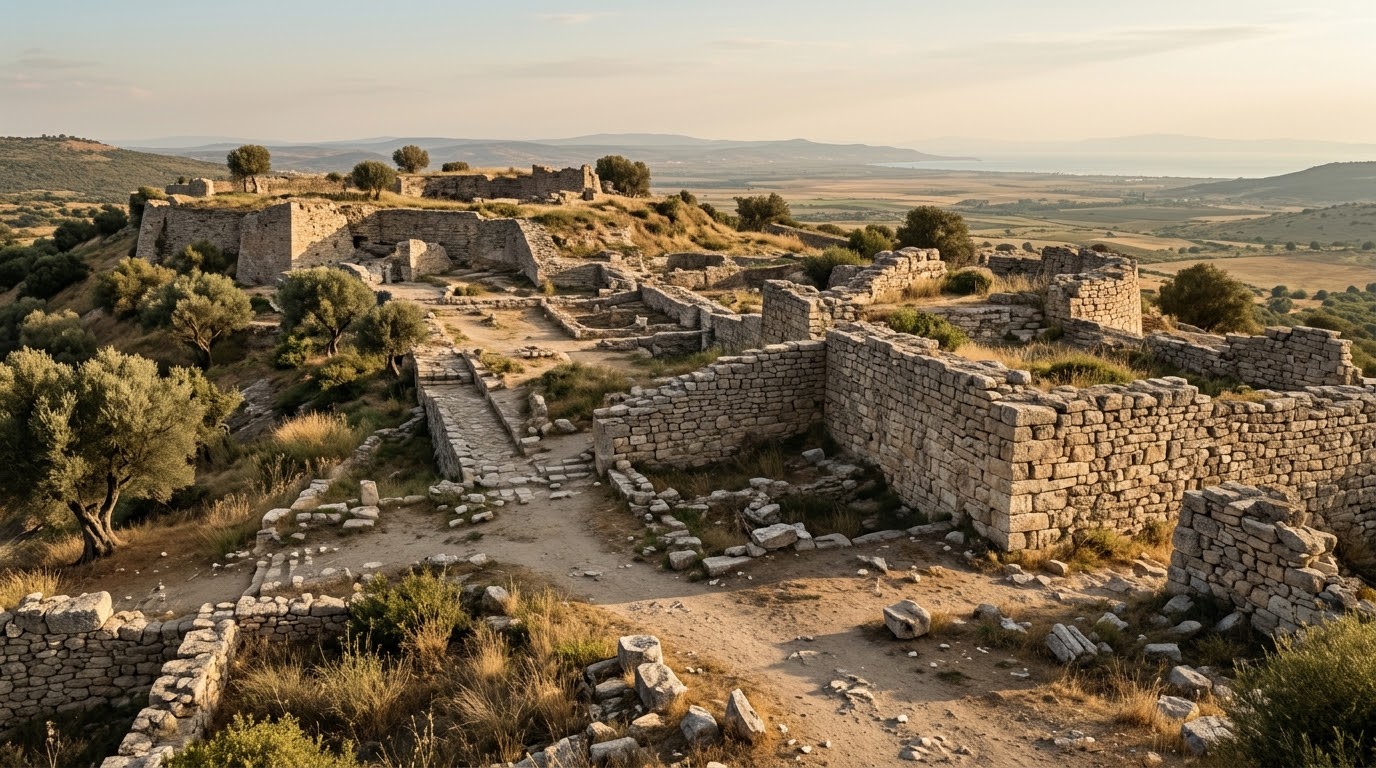
Use the site map and explanatory information to distinguish remains from different periods. Look at walls, routes and the landscape around the mound. If you intend to visit the museum as well, verify its location, hours and ticket arrangements separately.
Make the visit practical
An archaeological site may include uneven paths and exposed areas. Bring suitable footwear, water and sun protection. If combining Troy with a longer journey, allow enough time at the site rather than treating it as a short photo stop. Respect barriers and current access restrictions.
Read the archaeological site as layers rather than a single city
The archaeological site of Troy near Hisarlık contains evidence of settlements from different periods. The remains visible today do not all belong to one moment in the past. Begin with the official site plan and interpretation, and pay attention to the settlement phases identified along the permitted visitor route. Walls, gates and foundations may represent different building periods. Avoid assigning a structure to a particular event described in the Iliad simply because its appearance seems to fit the story.
The nearby Troy Museum provides context for the region's archaeological history and the interpretation of excavated objects. Check its current opening and admission arrangements separately from the archaeological site. A museum visit before the site can help you understand the chronological sequence; afterward it can help connect the material evidence to the remains you have seen. Leave time for both if the history is the main purpose of your trip.
Plan the excursion from the actual departure point
Çanakkale is a useful regional base for investigating transport to Troy, but the museum and archaeological site have their own locations and visitor arrangements. Check the exact road or local transport connection and any onward journey before setting out. The site includes exposed paths and uneven ground, so bring suitable footwear and water, and follow current official access restrictions. If visiting on a very hot day, prioritize the main interpreted areas and the museum rather than attempting every optional path. The most valuable part of a Troy visit is understanding the distinction between documented archaeology, historical interpretation and literary tradition.
Images are generated editorial illustrations. Confirm current access, schedules and conditions before traveling.